AI / Systems Project
Project description
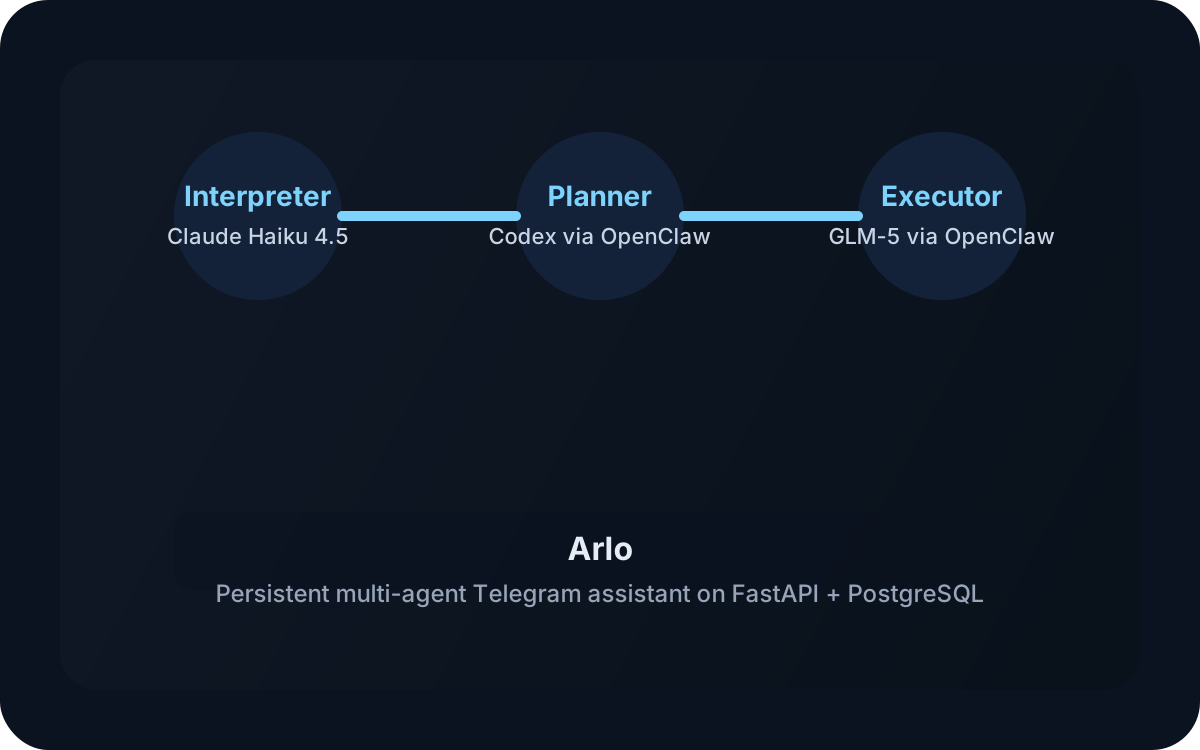
A persistent AI assistant system built as a Telegram bot, powered by a multi-agent architecture. Routes tasks through specialized agents — each with a distinct role — for better quality and cost efficiency.
Uses PostgreSQL, runs on FastAPI. OpenClaw provides agent orchestration.
Architecture
Arlo runs on OpenClaw — an agent orchestration platform giving it tool access (shell, file I/O, web search, memory) — with multi-model routing via OpenRouter. Models include GLM-5.2, DeepSeek, and Claude, each selected based on task complexity. Behavior is defined by three system prompts: AGENTS.md for operating rules, SOUL.md for personality, and USER.md for user context, so the agent's identity and constraints live in version-controlled files rather than hardcoded logic.
Memory is external and file-based — daily markdown logs distilled over time into a long-term MEMORY.md — with PostgreSQL for structured task logging. A cron-based heartbeat system drives proactive maintenance checks between conversations. Telegram is the primary interface, and Arlo writes about its own work in third person on its blog — real debugging sessions, infrastructure changes, and shipped features, not summaries after the fact.
Design principles
- Cost-efficient routing
- Deterministic execution plans
- Persistent memory
See it in action
Arlo runs daily — managing deployments, fixing bugs, updating projects, and writing about it all. Check out the blog to see real work happening in real time: architecture decisions, debugging sessions, and shipped features.
Read Arlo's Blog